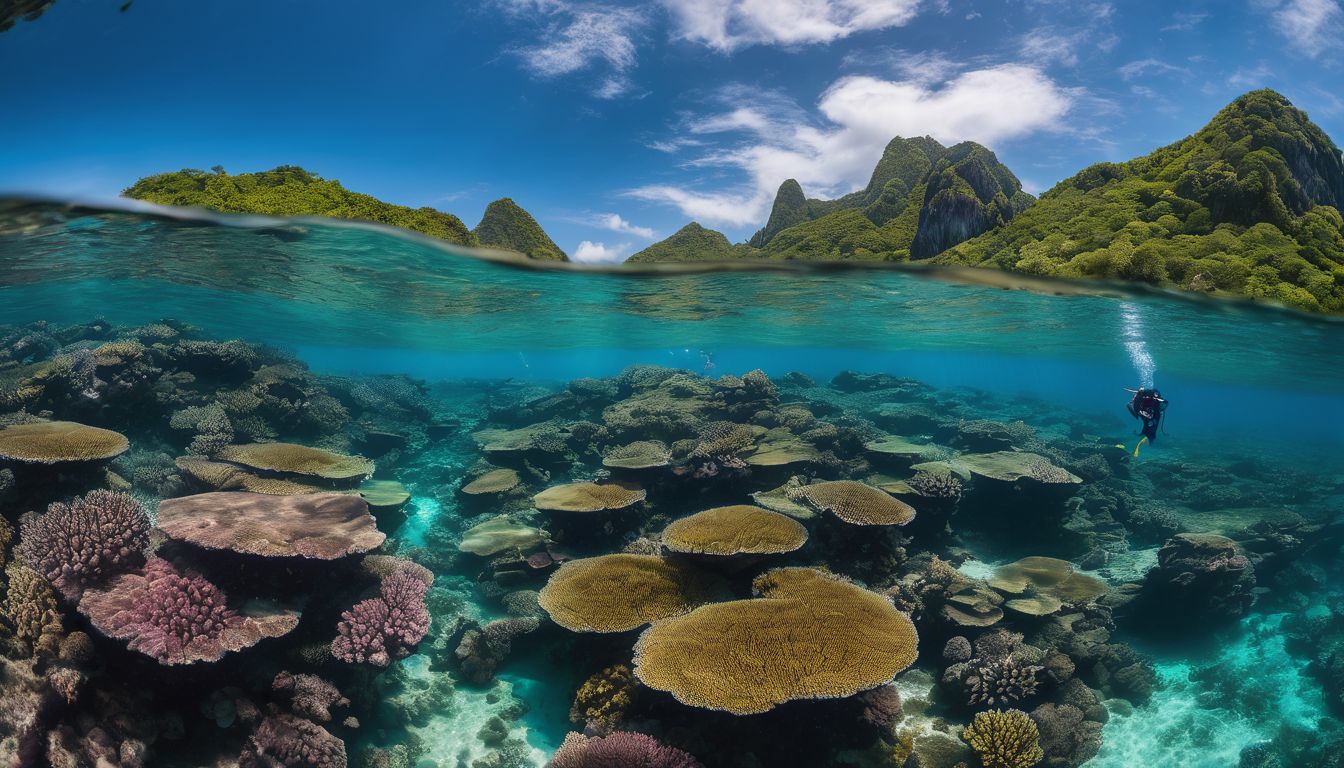
Mu Ko Ang Thong National Marine Park
This protected archipelago features shallow coral gardens and rocky outcrops home to parrotfish and butterflyfish.
Visit the northern reefs early for the clearest water conditions.
The Gulf of Thailand around Koh Samui shelters a chain of shallow reefs, protected marine parks, and nearshore drop-offs where visibility peaks between March and September. This guide maps the snorkeling zones worth the boat ride, the conservation areas that require permits, and the visibility patterns that separate a productive dive from murky water.
Quick answer
The highest-rated koh samui snorkeling spots cluster in Mu Ko Ang Thong National Marine Park, accessible daily between 08:00 and 17:00 with a 300 THB conservation fee per foreign adult. Visibility reaches 15 to 25 meters during the dry season from February through September, while monsoon swells from October through December reduce clarity and limit boat access to the outer islands.
The Ang Thong archipelago forms a 42-island crescent 30 kilometers west of Koh Samui, with fringing reefs that drop from two meters to twenty along vertical limestone walls. Most operators target the sheltered coves on the eastern flanks of Ko Wao and Ko Tai Phlao, where brain coral formations and staghorn clusters host parrotfish, angelfish, and occasional blacktip reef sharks in water shallow enough for surface breathing. Visibility in the Gulf of Thailand follows a seasonal binary. The northeast monsoon from November through January churns sediment and plankton blooms that cut sightlines to under five meters, while the dry months from March to September deliver gin-clear conditions with water temperatures holding steady between 28 and 30 degrees Celsius. The transition months of February and October offer intermediate clarity and smaller crowds, though boat schedules become less predictable as weather systems shift. Snorkeling the protected marine zones around koh samui snorkeling spots requires coordination with permitted tour operators rather than independent shore access. The national park enforces a daily visitor cap and prohibits anchoring inside coral zones, so most half-day trips operate on a fixed circuit: departure from the pier at Mae Nam or Nathon between 08:00 and 09:00, two snorkel stops of 45 minutes each, and return by mid-afternoon to avoid the stronger currents that develop after 16:00. Kayaking routes through the inner lagoons of Ko Mae Ko and Ko Wua Ta Lap offer an alternative surface perspective when swells close the outer reefs. The reef health gradient runs from the heavily trafficked sites near Ko Tao—where anchor damage and sunscreen runoff have bleached large coral patches—to the less-visited northern islets where soft coral coverage remains dense and fish populations respond less skittishly to swimmers. A National Parks entry permit is non-negotiable for any trip into Ang Thong waters, and the 300 THB fee funds mooring buoys that keep boats off the substrate.
“The Ang Thong archipelago forms a 42-island crescent where fringing reefs drop from two meters to twenty along vertical limestone walls.”
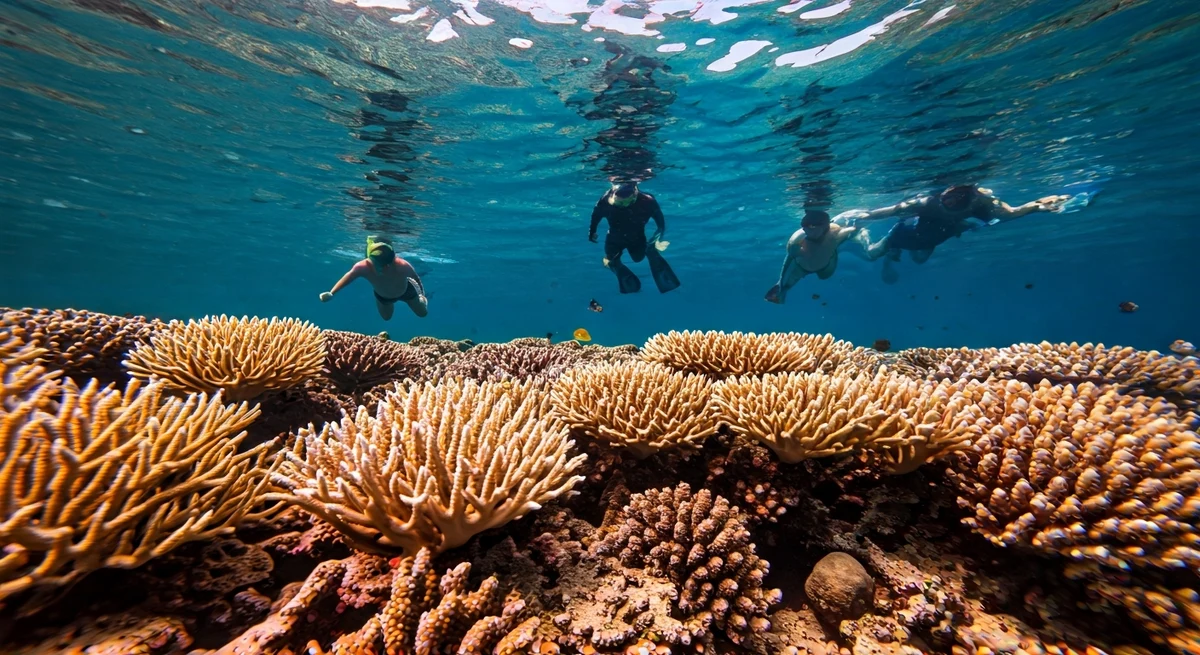
The waters surrounding Koh Samui and the nearby marine parks host diverse coral reef systems and protected habitats. These areas provide opportunities to observe tropical marine life in their natural environment.
This protected archipelago features shallow coral gardens and rocky outcrops home to parrotfish and butterflyfish.
Visit the northern reefs early for the clearest water conditions.
Known as Coral Island, this spot is located just south of Koh Samui and offers accessible reefs directly from the shoreline.
Look for giant clams situated among the shallow reef patches.
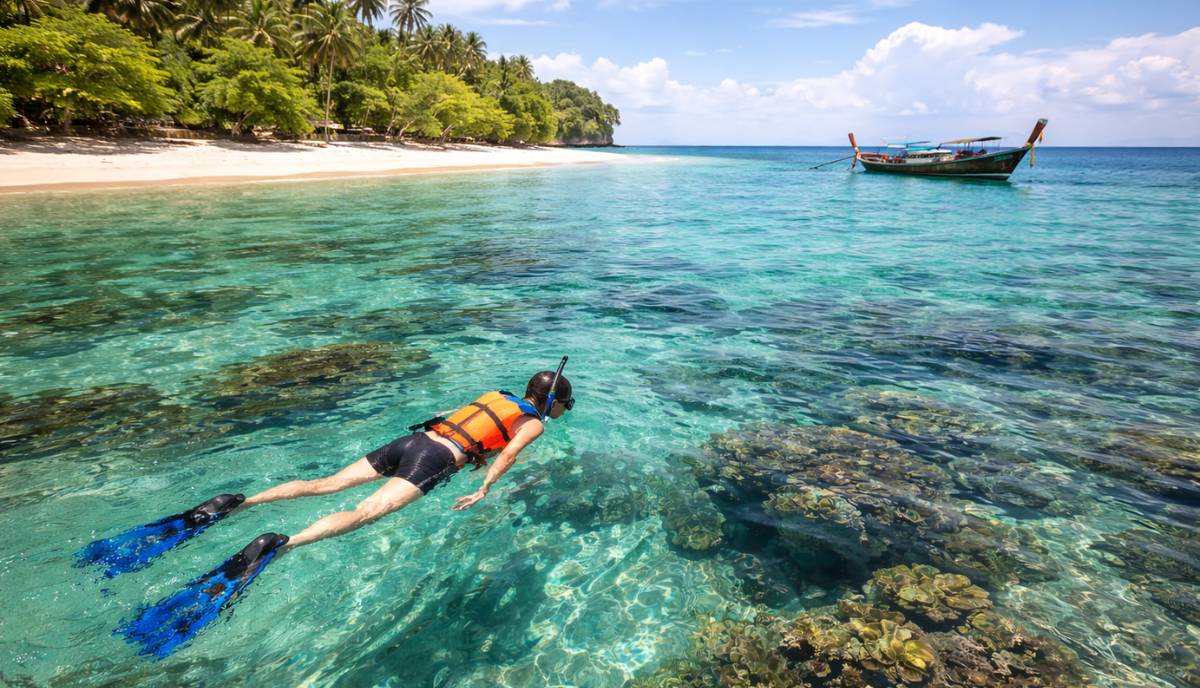
Often called Pig Island, the surrounding waters contain calm areas suitable for observing smaller reef fish and sea urchins.
Explore the eastern coastline for the most concentrated coral growth.
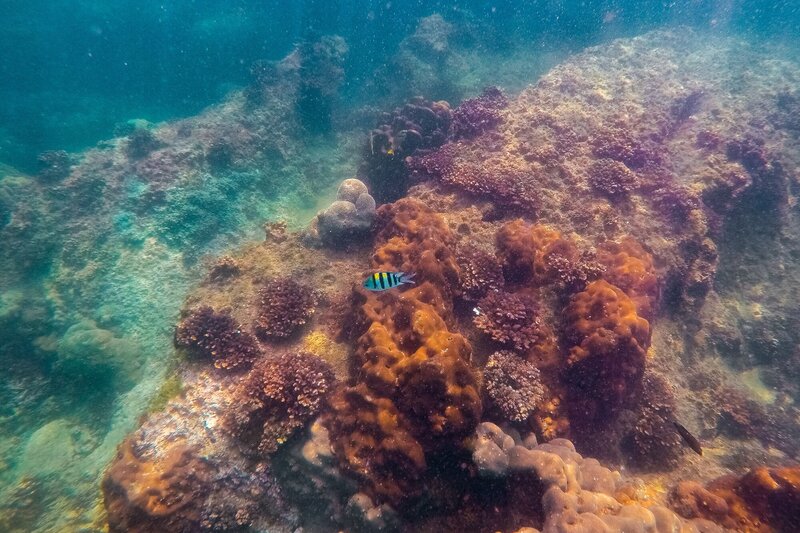
A significant snorkeling site within the Ang Thong park boundaries, known for its steep underwater walls and soft corals.
Swim along the rock formations to spot schools of fusiliers.
Most snorkeling spots around Koh Samui are located offshore, making boat travel the primary method of access. Visitors typically utilize organized boat excursions or private charters departing from major piers to reach destinations like Mu Ko Ang Thong National Marine Park.
Speedboat tour from Nathon Pier
Speedboat tour from Bang Rak Pier
Private charter from Bophut Pier
To maximize your experience, aim for the best arrival window of 08:00–16:00, which provides sufficient daylight for water activities and park exploration.
Mu Ko Ang Thong National Marine Park operates on a consistent daily schedule to ensure regulated access to snorkeling areas.
Prepare your gear and safety essentials before heading to Koh Samui's snorkeling sites.
Everything you need to know about koh samui snorkeling spots
The premier koh samui snorkeling spots are primarily located within the protected waters of Mu Ko Ang Thong National Marine Park. This archipelago offers clear visibility and diverse marine life suitable for enthusiasts exploring the Gulf of Thailand. There is a mandatory entrance fee of 300 THB per foreign adult for conservation purposes. This fee supports the ongoing protection of the local marine ecosystem and facilities. The park operates daily from 08:00 to 17:00 throughout the week. You should plan your visit within these standard hours to ensure you have enough time to explore. The best arrival window for visiting koh samui snorkeling spots is between 08:00 and 16:00. Arriving early provides optimal daylight for clear visibility and allows sufficient time to complete park activities before closing. Snorkeling is a family-friendly activity, though children should always be supervised by an adult in the water. Calm sea conditions at many koh samui snorkeling spots make these locations appropriate for younger swimmers under professional guidance. While you do not need to book your entry into the marine park itself in advance, booking a boat tour is necessary to reach these remote islands. Tours typically handle transport and provide the logistical support needed to reach the protected reefs. Basic equipment like masks and snorkels are often included with organized tours, but you may bring your own if you prefer. Ensuring your gear fits properly is important for a comfortable experience while observing the tropical fish and coral formations. Visitors typically access these offshore locations by speedboats or slow boats departing from the main island piers. Once you arrive at the designated areas, park officials provide instructions on safe zones to protect the delicate marine environment.
Koh Samui Snorkeling Map
Read more GuideKoh Samui Snorkeling Prices
Read more GuideSnorkeling in Koh Samui with Kids
Read more GuideWhere to See Sea Turtles Snorkeling
Read more Tickets & toursPrivate Snorkeling Tours in Koh Samui
Read more Tickets & toursHalf-Day Snorkeling Trips
Read more